

2026 Australia Smart Energy Expo: China-Australia Jointly Promote Global Energy Transition
Keywords
Australia Smart Energy Expo; Energy transition; China-Australia cooperation; Renewable energy; Solar energy storage
Introduction
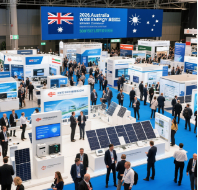
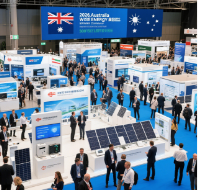
In July 2026, at a critical moment of profound adjustments in the global energy landscape, the Australia Smart Energy Expo opened grandly at the Sydney International Convention Centre. Amid ongoing tensions in the Middle East causing sharp fluctuations in international energy prices and unprecedented uncertainty in traditional fossil fuel supply, the expo focused on the core theme of "promoting energy transition and reducing dependence on traditional fossil fuels." It attracted over 12,000 representatives from the renewable energy field worldwide, including corporate delegates, investors, government officials, and researchers. More than 130 exhibitors showcased the latest achievements in solar, energy storage, electrification, and smart energy solutions, injecting new momentum into global energy transformation.
I. Smart Energy Expo Amid Global Energy Changes
Geopolitical turmoil in the Middle East has once again sounded the alarm for energy security. For a long time, the global energy system has been heavily dependent on fossil fuels, with price fluctuations deeply affecting national economies. As a major energy exporter, Australia also faces the urgent need for energy structure transformation. The Smart Energy Expo emerged against this backdrop, becoming an important platform for the international community to explore sustainable energy pathways.
During the expo, participants engaged in in-depth exchanges on cutting-edge topics such as photovoltaic technology innovation, energy storage system efficiency improvement, and smart grid construction. Multiple companies demonstrated digital energy management platforms, virtual power plant technologies, and bidirectional interaction solutions between electric vehicles and the grid, fully reflecting the rich connotation of the word "smart."
II. Chinese Strength Shines in Sydney: Over 60% of Exhibitors from China
At this expo, exhibitors from China accounted for more than 60%, becoming the undisputed "main force." From advanced solar modules to innovative energy storage solutions, from high-efficiency inverters to smart energy management systems, Chinese companies brought mature products and technologies covering the entire industrial chain. This figure not only highlights China's manufacturing strength and innovation vitality in the renewable energy field but also reflects the huge potential for new energy cooperation between China and Australia.
Many Chinese companies have been deeply rooted in Australia for years, winning the trust of local customers with cost-effective products and reliable technical support. During the expo, several Chinese companies signed memorandums of cooperation with Australian local energy developers and electricity retailers, covering photovoltaic power plant construction, energy storage system integration, and joint development of smart energy management platforms.
III. China-Australia Cooperation: From Technical Exchange to Mutual Benefit
Australia, with abundant sunshine, is one of the countries with the greatest potential for photovoltaic power generation in the world. At the same time, its highly developed mining and manufacturing industries impose higher requirements for stable and clean energy supply. China has accumulated rich experience in renewable energy equipment manufacturing, cost control, and large-scale application. The two sides complement each other's advantages and have broad cooperation space.
Another highlight of this expo was the depth and breadth of technical seminars. Representatives from Chinese and Australian research institutions and companies engaged in lively discussions on topics such as the collaborative optimization of "PV + storage," virtual synchronous generator technology, and the cascade utilization of retired batteries. Multiple cooperation intentions were reached during the expo, covering technology R&D, demonstration project construction, and standard setting at various levels.
IV. Future Prospects of Smart Energy Technologies
At the expo, smart energy solutions became the focus of attention. Energy management systems based on artificial intelligence and the Internet of Things can monitor power generation, storage, and consumption in real time, automatically optimize energy distribution, and significantly improve overall efficiency. Multiple companies showcased blockchain-based electricity trading platforms, allowing household users to directly sell excess rooftop photovoltaic power to neighbors, further promoting the adoption of distributed energy.
In addition, hydrogen production and storage technologies, long-duration energy storage systems, and high-efficiency thermal energy recovery technologies also attracted a large number of professional visitors. These innovative technologies will effectively address the intermittency and volatility issues of renewable energy in the future, providing technical support for the comprehensive realization of green energy transition.
Conclusion
The successful hosting of the 2026 Australia Smart Energy Expo is not only a vivid microcosm of the global energy industry's response to uncertainty and pursuit of sustainable development paths but also a strong testament to the deepening of new energy cooperation between China and Australia and the achievement of mutual benefit. Amid increasing volatility in fossil fuel prices and growing climate challenges, the international community needs to strengthen cooperation and exchange more than ever. The active participation and leading technologies of Chinese companies will undoubtedly inject strong impetus into Australia's and even the world's energy transition. Looking ahead, as China and Australia deepen cooperation in the smart energy field, more innovative achievements will move from the expo to practical application, helping to build a cleaner, more efficient, and more reliable new global energy landscape.