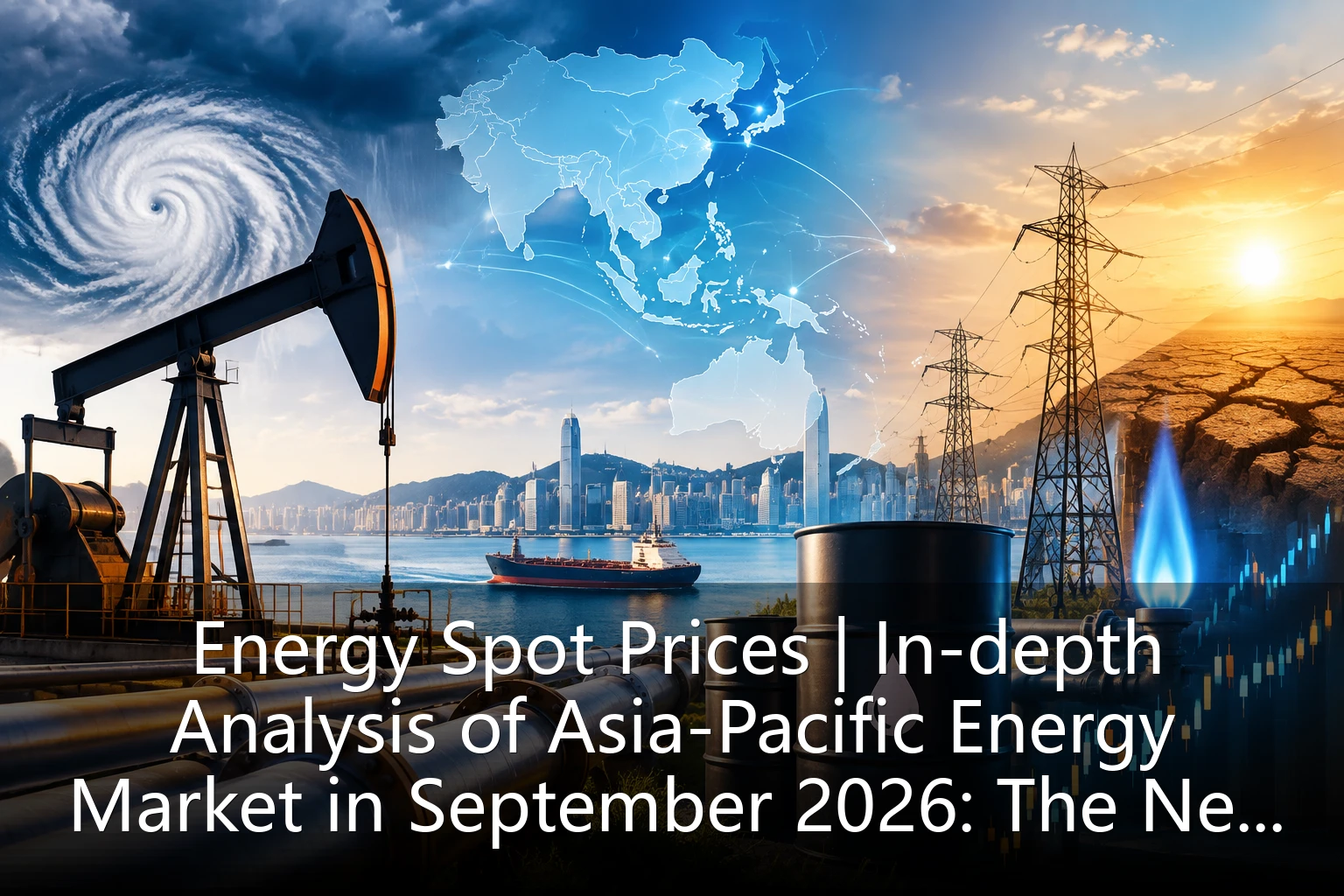


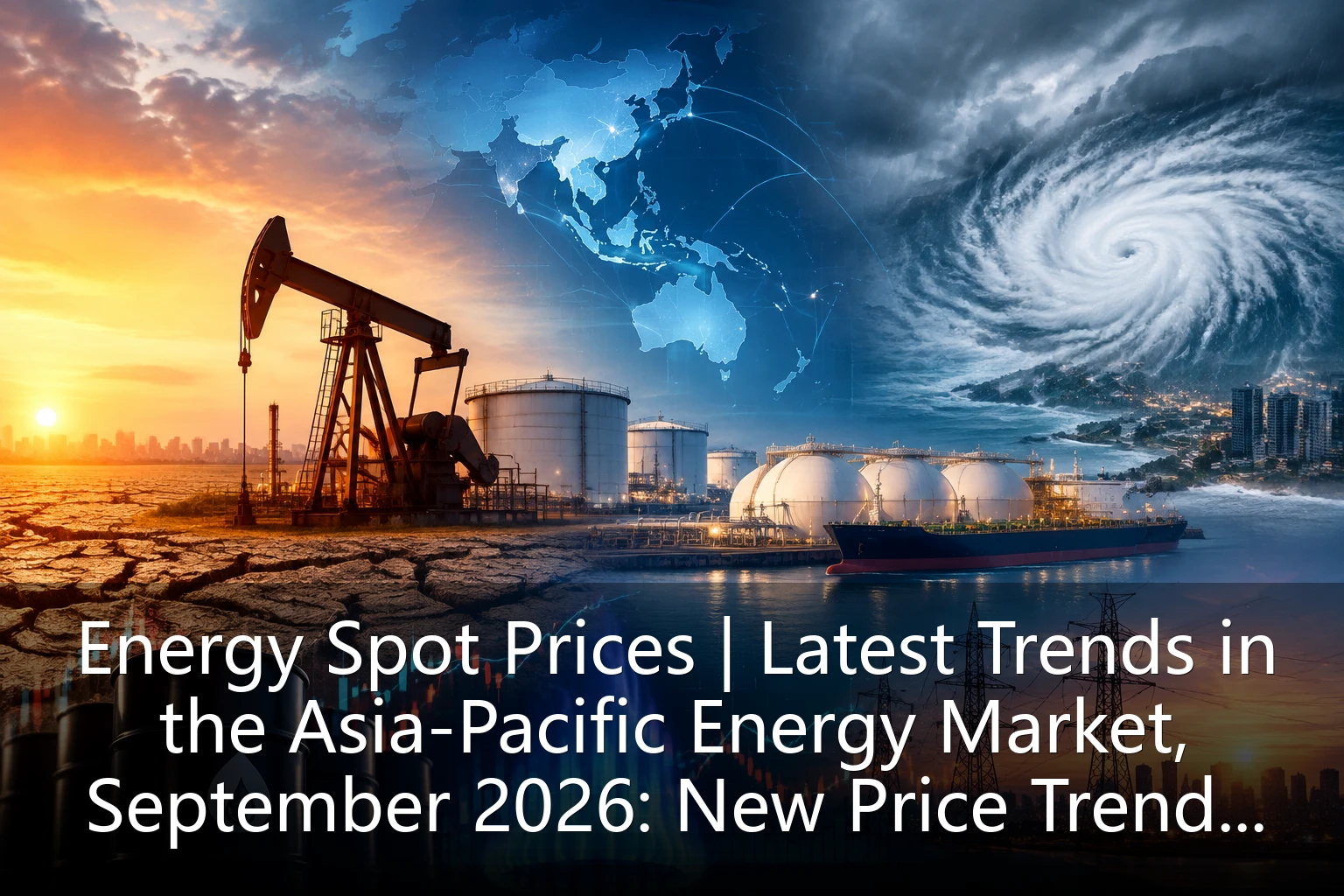
In September 2026, the Asia-Pacific energy market is experiencing unprecedented price volatility. Influenced by the dual impact of extreme climate events and geopolitical tensions, oil, electricity, and natural gas prices have all seen significant changes, posing severe challenges to the regional economy and energy security. As an energy information platform of Laos Asia-Pacific Finance and Economics, we provide an in-depth analysis of current market dynamics, reveal the key drivers behind price trends, and offer decision-making references for investors.
Extreme Climate Triggers Surge in Energy Demand
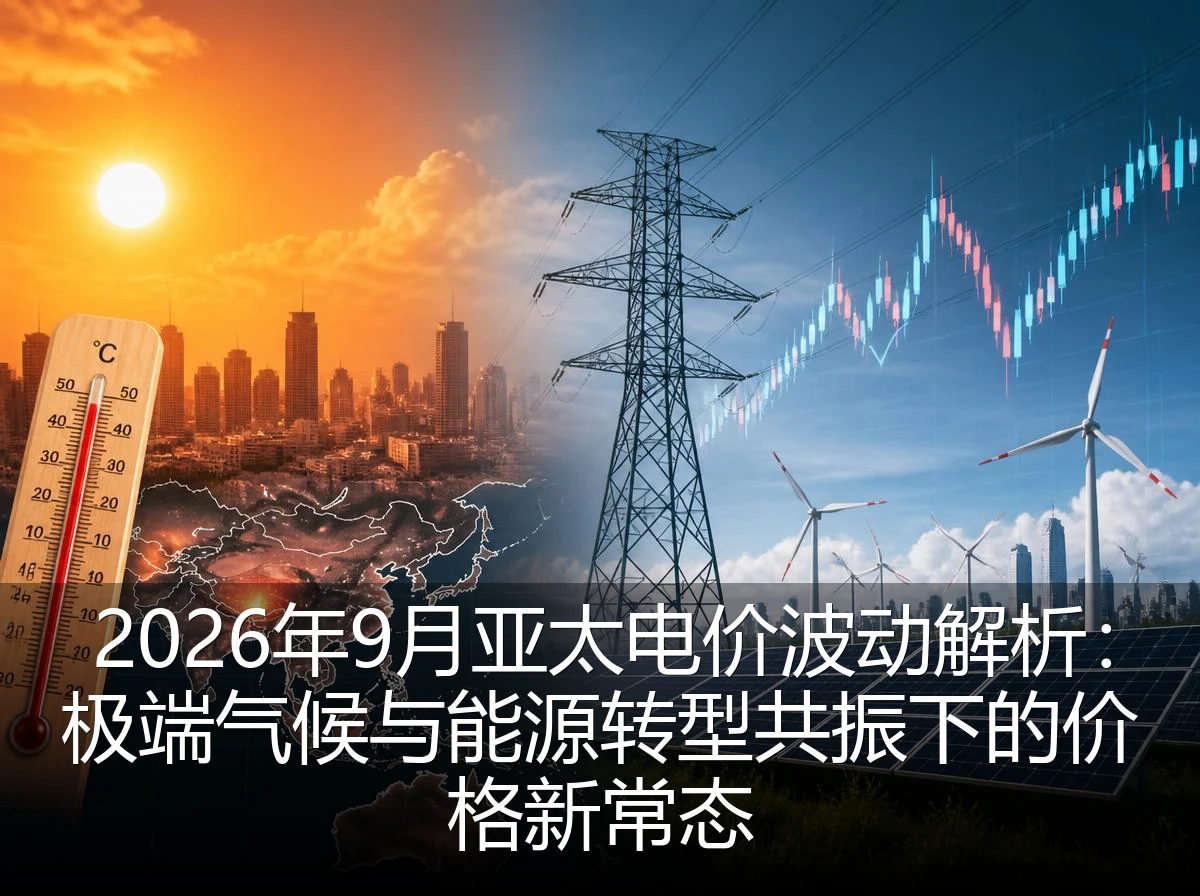
Since the start of September, the Asia-Pacific region has experienced rare heatwaves, leading to a surge in electricity demand. According to the latest data from the International Energy Agency (IEA), the average temperature in the Asia-Pacific region in September 2026 was 3.5 degrees Celsius higher than the historical average, reaching a near-decade high. This extreme climate not only increased residential and industrial electricity consumption but also intensified energy supply pressure. For example, China, India, and many Southeast Asian countries have reported power shortages, with some regions even implementing power rationing measures.
Against the backdrop of surging electricity demand, prices have risen accordingly. Taking China as an example, the national average electricity price rose by 5.2% month-on-month in September, reaching 0.368 yuan/kWh, a new high for the year. India is also facing upward pressure on electricity prices, with prices in major cities like Mumbai and Delhi increasing by 6.8% from the previous month. Electricity prices in Southeast Asian countries such as Thailand and Vietnam have also risen significantly, with prices in some periods breaking historical records.
Opportunities and Challenges for Renewable Energy
Extreme climate events highlight the importance of renewable energy in the energy transition. However, the intermittent nature of renewables also exposes their vulnerability in extreme weather. For instance, sustained high temperatures have reduced the efficiency of solar power generation, while droughts have affected hydropower supply. As a major hydropower exporter in Southeast Asia, Laos' hydropower capacity has decreased by 15% due to the drop in the Mekong River water level, directly impacting regional power trade.
Nevertheless, investment in renewable energy continues to accelerate. In September 2026, investment in renewable energy projects in the Asia-Pacific region reached a record $28 billion, a year-on-year increase of 18%. Among them, China and India are particularly prominent in investments in solar and wind energy, while Laos is strengthening energy cooperation with neighboring countries through regional grid interconnection projects.
Geopolitics Intensifies Energy Supply Uncertainty
Geopolitical tensions have further exacerbated volatility in the energy market. Escalating conflicts in the Middle East have led to significant fluctuations in international oil prices. In September, Brent crude prices fluctuated between $80 and $85 per barrel, a 7.3% increase from the previous month. As the world's largest oil-importing market, the Asia-Pacific region sees rising oil prices directly push up energy costs.
The natural gas market is also affected by geopolitics. European natural gas prices (TTF) surged by 12% due to supply disruptions, while Asia-Pacific liquefied natural gas (LNG) prices (JKM) fell under pressure due to increased supply. This divergence reflects adjustments in the global energy trade landscape, as Asia-Pacific countries seek diversified supply sources and reduce dependence on a single region.
Laos' Role in Regional Energy Cooperation
As an energy hub in Southeast Asia, Laos plays a key role in regional cooperation. Laos possesses abundant hydropower resources and is known as the 'Battery of Southeast Asia'. In September 2026, Laos' hydropower exports reached a historic high, supplying over 1 billion kWh of electricity to Thailand, Vietnam, and Cambodia. This move not only alleviated power shortages in neighboring countries but also enhanced Laos' position in the regional energy market.
Furthermore, the Lao government is actively promoting the development of renewable energy, with a plan to have renewables account for 40% of the energy mix by 2030. Chinese-funded enterprises have launched numerous solar and wind power projects in Laos, injecting new momentum into the regional energy transition. For example, a large-scale solar power plant project in southern Laos has entered the construction phase and is expected to provide clean electricity upon completion in 2027.
New Opportunities and Risks in Energy Investment
The current volatility in the energy market presents an environment of both opportunities and risks for investors. On one hand, extreme climate and geopolitics are accelerating the energy transition, offering broad prospects for investment in renewable energy and energy storage technologies. On the other hand, price fluctuations increase investment uncertainty, requiring investors to carefully assess risks.
In the Asia-Pacific region, energy investment is showing a trend of diversification. In addition to traditional fossil fuels, investors are increasingly turning to renewable energy and clean technologies. In September 2026, the share of new energy investment in the Asia-Pacific region reached 35% of total investment, an increase of 5 percentage points from the same period last year. Among these, battery energy storage and hydrogen technology have become hot areas.
Future Outlook and Recommendations
Looking ahead, the Asia-Pacific energy market will continue to face dual challenges from climate and geopolitics. It is expected that extreme weather events may persist in the fourth quarter of 2026, while geopolitical tensions may escalate further. Therefore, energy price volatility is likely to intensify.
For investors, it is recommended to focus on the following areas: first, renewable energy projects, especially solar and wind energy with stable returns; second, energy storage technologies to address the challenges of intermittent renewable energy; and third, regional energy cooperation projects, such as grid interconnection between Laos and neighboring countries, to reduce supply risks.
In conclusion, the dynamics of the Asia-Pacific energy market in September 2026 reflect the complex factors in the global energy transition. By conducting in-depth analysis of market trends and risks, investors can seize opportunities and achieve sustainable growth.