


Energy Investment Practice: New Opportunities and Strategic Layout in Asia-Pacific Energy Market 2026
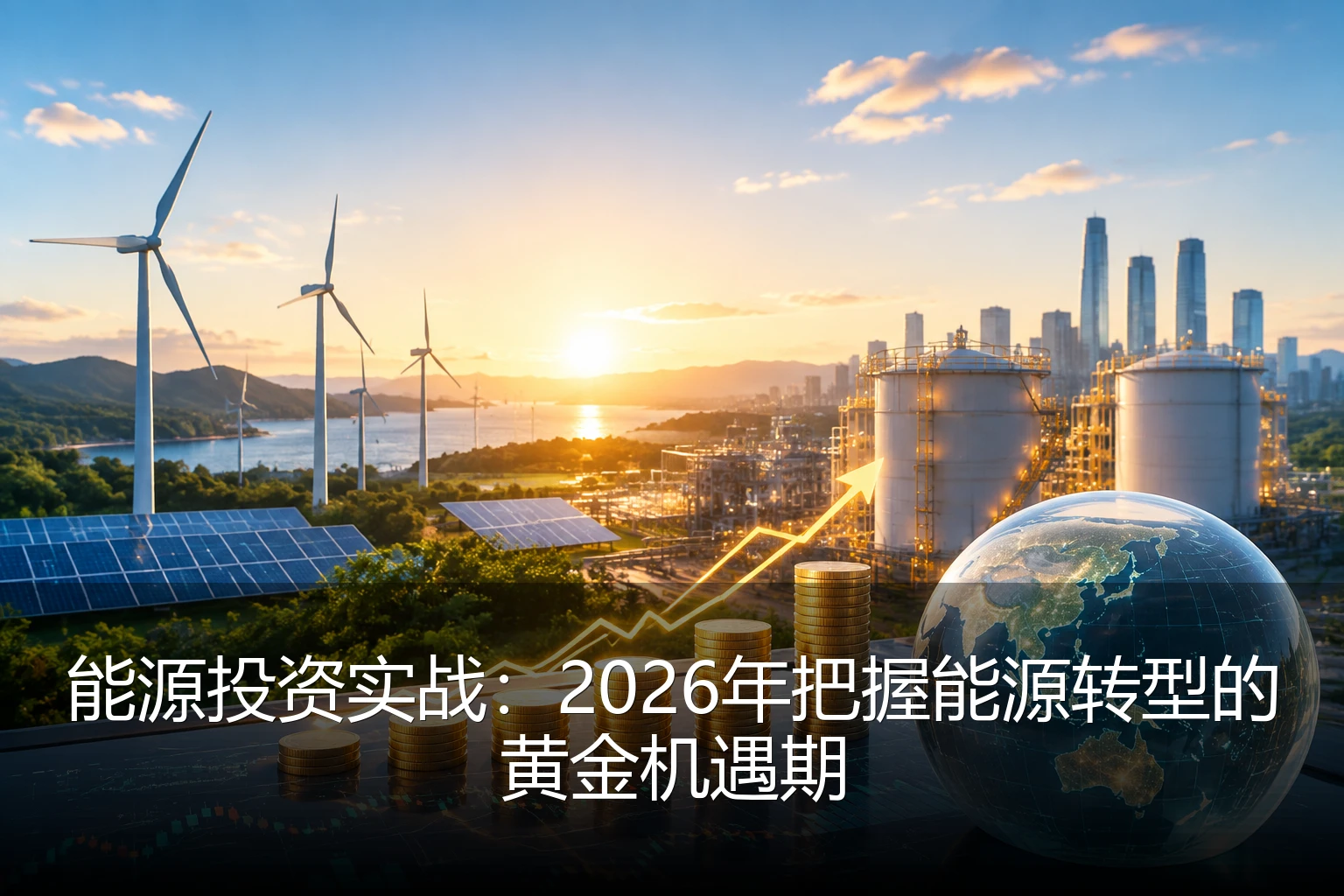
In 2026, the global energy landscape is undergoing profound changes. As an important engine of global economic growth, the Asia-Pacific region presents unprecedented investment opportunities in its energy market. This article will deeply analyze the practical investment strategies for the Asia-Pacific energy market in 2026, helping investors grasp the golden opportunity period in energy transition.
Accelerated Global Energy Transition, Highlighting Investment Value
As global climate change becomes increasingly severe, governments around the world are accelerating the energy transition process, and renewable energy investment is experiencing explosive growth. According to the latest report from the International Energy Agency (IEA), global renewable energy investment in 2026 is expected to reach $1.8 trillion, a record high. With abundant natural resources, huge market demand, and active policy support, the Asia-Pacific region has become a hot spot for global energy investment.
In terms of traditional energy, despite facing transition pressure, traditional energy sources such as oil and gas will still play important roles in the short term. Especially under the background of energy security strategy, the value of traditional energy assets is being re-evaluated, providing investors with opportunities for diversified allocation.
Highlights of Asia-Pacific Energy Market Investment
The Asia-Pacific energy market shows a diversified development trend, with investment opportunities in different countries and regions focusing on different aspects:
- Southeast Asia: Countries such as Vietnam, Indonesia, and Malaysia are vigorously developing renewable energy, with abundant investment opportunities in solar and wind energy projects. Especially the Mekong countries such as Laos and Cambodia, with their advantages in hydropower resources, have become emerging destinations for regional energy investment.
- China and Japan: As the largest economies in the Asia-Pacific region, China and Japan have leading advantages in new energy technology research and development, energy storage solutions, and smart grid construction, with significant investment value in related industrial chains.
- Australia: With abundant solar and wind energy resources, Australia is accelerating the development of renewable energy export industries, becoming an important part of the Asia-Pacific green energy supply chain.
- India: As one of the most populous countries in the world, India's energy demand continues to grow, with huge investment potential in clean energy and energy efficiency improvement.
New Investment Opportunities in Laos Energy
As an important energy producer in Southeast Asia, Laos shows unique investment value in 2026. Laos has abundant hydropower resources, known as the "battery of Southeast Asia," and has attracted a large amount of international capital investment in energy infrastructure construction in recent years.
In the first half of 2026, Laos's electricity export earnings increased by 18%, showing strong momentum in regional energy cooperation. Especially with the completion of infrastructure such as China-Laos Railway, more convenient channels have been provided for Laos's energy export, further improving the economic returns of energy investment.
In the field of renewable energy, Laos is actively promoting the development of solar and wind energy projects, attracting foreign investment. The government has introduced a series of preferential policies, including tax reductions and convenient land use, creating a good business environment for energy investors.
Practical Energy Investment Strategies
Facing the complex energy market environment, investors need to adopt scientific investment strategies to grasp the opportunities in energy transition:
- Long-term Value Investment: Energy transition is a long-term process. Investors should focus on energy projects and enterprises with long-term development potential, avoiding excessive pursuit of short-term returns.
- Diversified Allocation: Seek a balance between traditional energy and renewable energy, dynamically adjust the investment portfolio according to market changes, and reduce the risk of single assets.
- Focus on Policy Orientation: Closely follow changes in national energy policies, grasp investment opportunities in policy-supported fields such as renewable energy, energy storage technology, and smart grids.
- Technology Innovation Driven: Pay attention to energy technology innovation, such as hydrogen energy, carbon capture and storage (CCUS), advanced energy storage and other cutting-edge technologies, to seize the technological high ground.
- Regional Cooperation Opportunities: Actively participate in regional energy cooperation projects, such as ASEAN power grid interconnection and cross-border energy trade, to share the dividends of regional economic growth.
Risk Management and Response Strategies
Although energy investment has broad prospects, it also faces many risk factors. Investors need to do a good job in risk management and response:
- Price Volatility Risk: Energy prices are affected by many factors and fluctuate greatly. Investors can use financial instruments such as futures contracts and options for hedging to reduce price volatility risks.
- Policy Change Risk: Energy policies may be adjusted with government changes. Investors need to closely follow policy trends and flexibly adjust investment strategies.
- Technology Route Risk: There is uncertainty in the development path of energy technology. Investors should maintain technical sensitivity and avoid over-investing in a single technology route.
- Geopolitical Risk: Energy investment is often affected by geopolitical factors. Investors need to comprehensively evaluate the political stability of the investment destination and seek political risk insurance if necessary.
- Environmental and Social Risk: Energy projects may face challenges in environmental protection and social responsibility. Investors should pay attention to ESG (environmental, social, and governance) factors to ensure sustainable development.
Future Outlook
Looking ahead, the Asia-Pacific energy market will continue to maintain an active trend, and energy investment will show the following trends:
- Accelerated Digital Transformation: Digital technologies such as artificial intelligence, big data, and blockchain are deeply integrated with energy, giving rise to new formats such as smart energy and virtual power plants, providing new opportunities for investors.
- Energy Financial Innovation: Financial instruments such as green bonds, carbon trading, and renewable energy certificates are continuously innovating, providing more choices for energy project financing.
- Deepening Regional Integration: ASEAN energy cooperation mechanisms are continuously improving, and regional power grid interconnection and energy trade liberalization will create greater investment space.
- Consumer-Dominated Market: With the development of distributed energy and user-side energy storage, energy consumers will gradually become "prosumers", reshaping the energy market landscape.
In summary, the Asia-Pacific energy market in 2026 is in a critical period of transformation and development, containing rich investment opportunities. Investors should grasp the general trend of energy transition, combine their own advantages, scientifically allocate resources, and achieve value growth in energy transformation. At the same time, they should fully understand the risks and challenges of energy investment, do a good job in risk management and response, and ensure investment safety and returns.
For emerging energy markets such as Laos, investors can focus on fields with obvious resource advantages, strong policy support, and gradually improving infrastructure, such as hydropower, renewable energy development, and cross-border energy trade, to share the dividends of regional economic growth. At the same time, actively participate in energy technology innovation and digital transformation to seize the commanding heights of future development.