

As H2 2026 begins, the global energy transition is at a pivotal moment of shifting drivers. Among low-carbon energy pathways, green hydrogen—the only secondary energy carrier capable of deep decarbonization—is rapidly moving from technology validation to its first year of large-scale commercialization. The global pipeline of green hydrogen projects has reached unprecedented levels. Industry tracking data shows that by mid-2026, announced global green hydrogen production capacity has exceeded 40 million tons per year, with a notably higher share of projects reaching Final Investment Decision (FID). This shift signals that industrial capital is now betting real money on the hydrogen future, and the Asia-Pacific region is playing an increasingly central role in this hydrogen race.
1. Cost Decline Meets Policy Push: The Green Hydrogen Economics Inflection Point
The fundamental reason green hydrogen is booming in 2026 is that its economic bottleneck is being broken. In recent years, the largest cost drivers have been electrolyzer capital expenditure (CAPEX) and the high electricity cost required for electrolysis. In 2026, however, both core costs have fallen materially.
On one hand, as alkaline (ALK) and proton exchange membrane (PEM) electrolyzer manufacturing matures and capacity scales up, global electrolyzer system prices have dropped sharply from their 2022 peak. The rise of manufacturing hubs in China and across the Asia-Pacific has enabled highly scaled and localized production, driving a cliff-like decline in unit equipment costs. On the other hand, surging solar and wind capacity in the Asia-Pacific has pushed spot power prices toward zero—or even negative—in some periods. This provides extremely cheap electricity for hydrogen production, fundamentally improving green hydrogen's competitiveness versus grey hydrogen (produced from fossil fuels).
On the policy side, subsidy mechanisms across Asia-Pacific are accelerating. From Japan's Green Innovation Fund and Korea's Hydrogen Economy Leading Strategy to Australia's Hydrogen Headstart program, governments are using contracts-for-difference, production tax credits, and similar tools to provide price backstops for green hydrogen producers, significantly lowering investment risk for early-stage projects. This convergence of policy and market has made 2026 the year with the highest green hydrogen project implementation rate.
2. Asia-Pacific Emerges as the Core Engine Reshaping Global Hydrogen Trade
In the past, global hydrogen development focused on Europe. But 2026 industry reality shows that the Asia-Pacific region—with its unique resource endowments and massive manufacturing base—is becoming the core engine of global green hydrogen supply chain restructuring.
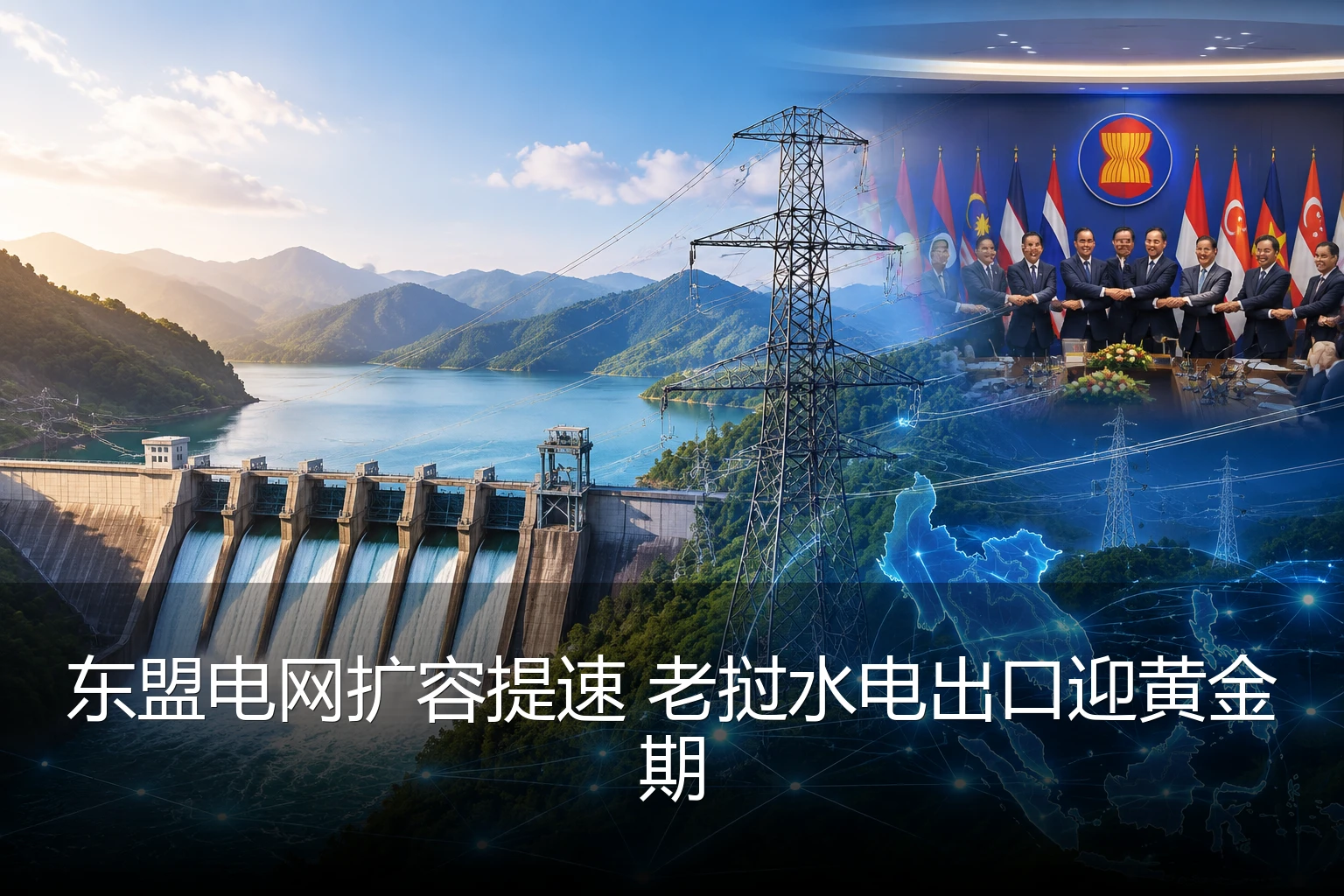
First, the Asia-Pacific holds the world's richest renewable resources. Australia's vast land and abundant sunlight make it a natural green hydrogen export base; the Middle East is leveraging premium solar resources to accelerate its transition into a hydrogen exporter; and Southeast Asia, despite tighter land resources, offers abundant hydropower and an increasingly formed ASEAN power grid interconnection mechanism that enables distributed green hydrogen production.
Second, the Asia-Pacific hosts the world's most complete equipment manufacturing supply chain. Production of electrolyzers, hydrogen storage tanks, and hydrogen compressors is accelerating its shift to the Asia-Pacific. This not only lowers construction costs for global green hydrogen projects but also gives Asia-Pacific countries a dominant position in hydrogen equipment trade. Data shows that in H1 2026, the Asia-Pacific's share of global electrolyzer shipments expanded further, with order books at manufacturers in China, Korea, and Japan running at full capacity.
More importantly, a brand-new intra-regional hydrogen trade network is forming within the Asia-Pacific. Traditional energy importers such as Japan and Korea are actively signing long-term green hydrogen import agreements with Australia, the Middle East, and even Southeast Asian countries. This new hydrogen-based trade relationship is reshaping the Asia-Pacific's energy security landscape—previously dependent on oil and gas imports—and injecting new substance into regional energy cooperation.
3. Laos Hydropower-to-Hydrogen Potential: A New ASEAN Green Chemicals Opportunity
Within the Asia-Pacific green hydrogen map, Laos—a traditional hydropower exporter—is quietly revealing unique strategic value. With abundant Mekong River hydropower resources, Laos has long exported electricity to neighbors such as Thailand and Vietnam, earning the nickname "the battery of Southeast Asia." However, as neighboring countries rapidly expand solar and wind capacity and ASEAN grid interconnection deepens, Laos's hydropower exports during wet seasons face growing curtailment risks and price volatility.
Converting surplus hydropower into green hydrogen is becoming a highly promising direction for Laos's energy industry upgrade. As a stable baseload source, hydropower's around-the-clock generation profile aligns closely with electrolyzer load demand, enabling maximum equipment utilization and significantly lowering the levelized cost of hydrogen (LCOH).
From an industrial layout perspective, Laos is well positioned to build electrolysis-based hydrogen plants near existing hydropower stations, converting hydropower on-site into green hydrogen or green ammonia, then exporting via the China-Laos Railway or Mekong River shipping to neighboring countries short on clean power. This would not only address wet-season hydropower curtailment and improve overall water resource utilization, but also substantially raise the value-added of Laos's energy exports—achieving a leap from "selling electricity" to "selling green chemical feedstocks."
In addition, Laos has potential in carbon credit trading. By producing and exporting hydrogen from hydropower, Laos can earn not only the commodity value of hydrogen itself but also additional carbon credit revenue on international carbon markets for its decarbonization impact, creating a dual-revenue model. This is highly attractive for drawing international climate capital and green funds into the Laos market.
4. Investment Compass: Key Logic for Capturing the Hydrogen Track
Facing accelerated green hydrogen deployment in 2026, energy investors need to precisely grasp track logic and avoid blind following. Currently, investment hotspots along the hydrogen value chain are shifting from upstream electrolyzer manufacturing toward mid- and downstream hydrogen storage, transport, and industrial applications.
- Equipment Manufacturing: Although electrolyzer demand is surging, margin pressure may build as capacity ramps up. Investors should focus on companies with core technology barriers capable of delivering high-efficiency, long-lifetime equipment.
- Storage and Transport: Hydrogen storage and transport remains the physical bottleneck constraining large-scale green hydrogen deployment. Liquid hydrogen tanks, liquid organic hydrogen carriers (LOHC), and hydrogen pipeline networks will be the next investment hotspot. Asia-Pacific investment in port ammonia infrastructure is accelerating, and green ammonia—as a hydrogen carrier with favorable storage and transport properties—is becoming a focal point for capital.
- Industrial Decarbonization Applications: The ultimate value of green hydrogen lies in application. Green steel, green ammonia, and green methanol synthesis are currently the most economically viable use cases. Investors should focus on companies and projects that deeply couple green hydrogen with traditional chemical processes to achieve product premiums.
For investors in Laos and Southeast Asia, the key to capturing regional energy transition dividends lies in tracking the coordinated development of cross-border grid interconnection and hydrogen production. Driven by both policy support and technology cost reductions, projects that combine premium clean power resources with cross-border trade channels will offer long-term appreciation potential.
5. Conclusion and Outlook
2026 is the critical year when green hydrogen moves from "paper talk" to "taking root." Leveraging abundant renewables, strong manufacturing capability, and proactive policy guidance, the Asia-Pacific is reshaping the global hydrogen map. In this profound energy transformation, countries with surplus clean energy—such as Laos—should not remain confined to traditional power export models, but should seize the historic opportunity presented by the rise of the green hydrogen economy and explore new hydropower-to-hydrogen pathways to convert resource advantages into industrial advantages.
Going forward, as electrolyzer technology continues to iterate and cross-border hydrogen trade rules mature, green hydrogen is expected to become a new bond for Asia-Pacific energy interconnection. Investors should closely follow the Energy Compass and position early at the industry's cyclical turning point to capture long-term value in this sweeping energy transition. Laos Asia-Pacific Finance will continue to track the latest developments in the green hydrogen market and provide you with cutting-edge investment decision-making reference.